Triggers are one of the biggest challenges people face when trying to quit. Knowing what to expect and how to deal with them can help you stay on track.

A trigger is something that makes you want to smoke. It can be experiencing a stressful situation, sipping coffee, going to a party, or smelling cigarette smoke. Different people have different triggers. Knowing your triggers and having strategies to help you deal with them can help you control cravings and make it less likely that you will smoke.
Start your quit journey and build a Quit Plan that will help you identify and plan for your triggers.
Emotional Triggers
Many people smoke when they have intense emotions. An emotional trigger reminds you how you felt when you used smoking to enhance a good mood or escape a bad one, like when you were:
- Anxious
- Stressed
- Bored
- Down
- Lonely
- Angry
- Excited
- Happy
- Satisfied
How to deal with emotional triggers. You can learn how to cope with your feelings without leaning on cigarettes. Try these ways to deal with emotional triggers:
- Talk about your emotions. Telling a friend or family member how you feel can help.
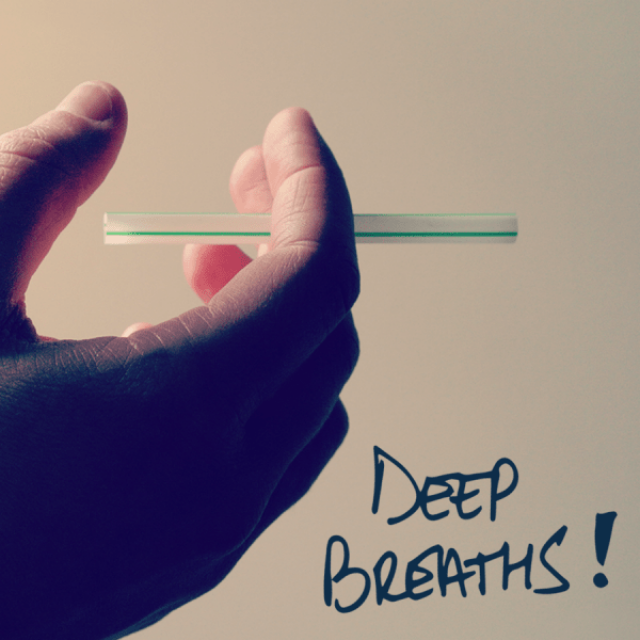
- Take some slow, deep breaths. Deep breathing will slow down your body, quiet your mind, and reduce cravings. This is also a great way to manage stress and anxiety.
- Exercise. Physical activity is a great way to handle emotions. When you exercise, your brain releases endorphins. Endorphins are chemicals in the brain that make you feel good.
- Listen to calming music. Music can relax you by slowing your heart rate, lowering blood pressure, and decreasing stress hormones.
Find out more ways to conquer stress and emotions without smoking.
Pattern Triggers
A pattern trigger is an activity that you connect with smoking. Some examples of these activities include:
- Waking Up
- Drinking Coffee
- Driving
- After a Meal
- Taking a work break
- Talking on the phone
- Watching TV
- Drinking alcohol
- Before going to bed
- After having sex
How to deal with pattern triggers. One way to beat pattern triggers is to break the association with the trigger and transfer the feeling to another activity.
- Find a replacement. Chew gum. Eat sugar-free candy. Suck on a straw.
- Try activities that keep your hands busy. Squeeze a handball. Do beading or needlework. Hold on to a silver dollar or “worry stone.”
- Get moving. Go for a walk. Ride a bike. Go swimming. Exercising can distract you from smoking.
- Change your routine. For example, try drinking your coffee at a different time or brushing your teeth right after you eat a meal.
Social Triggers
Social triggers are occasions that usually include other people who smoke. Here are some examples:
- Being with friends who smoke
- Going to a bar
- Going to a party or other social event
- Going to a concert
- Seeing someone else smoke
- Celebrating a big event
How to deal with social triggers. Once you’ve made the decision to quit, it is best to avoid places where people smoke and ask your friends not to smoke around you. Over time, it will get easier. Tell your friends and family that you have quit. Ask them for their support.
Withdrawal Triggers
If you’ve smoked for a long-time, your body is used to getting a regular dose of nicotine. When you quit, withdrawal symptoms will produce cravings for nicotine. Withdrawal triggers include:
- Craving the taste of a cigarette
- Handling cigarettes, lighters, and matches
- Feeling restless or having other withdrawal symptoms
- Needing to do something with your hands or mouth
- Smelling cigarette smoke
How to deal with withdrawal triggers. Distract yourself. Find something to take your mind off the craving. See if nicotine replacement therapy (NRT) is right for you – it can reduce withdrawal symptoms. Teens, women who are pregnant, and people with severe medical conditions should talk to their doctor before using NRT.
Now that you better understand triggers, identify the ones that you want to control, and include these in your Quit Plan.